


Table of Contents
Hidden Garage Door Damage After Winter in Green Bay and Appleton
Winter in Northeast Wisconsin is tough on homes, and garage doors take more abuse than most homeowners realize. Ice buildup, road salt, freezing temperatures, and constant exposure to moisture can slowly weaken key components without obvious warning signs. By the time the snow melts and temperatures rise, hidden garage door damage often begins to show.
What looks like a minor issue in early spring can quickly turn into a larger garage door repair need if left unaddressed. Springs, cables, panels, rollers, and even openers can suffer silent stress throughout winter. Homeowners planning garage door repair in Green Bay often discover this type of hidden damage in early spring. Recognizing the signs early can help you avoid emergency breakdowns and costly repairs.
How Winter Garage Door Damage Develops Over Time
Cold weather does not usually cause immediate failure. Instead, it creates gradual wear that compounds week after week.
Temperature Contraction and Expansion
Metal components contract in extreme cold and expand as temperatures rise. This repeated movement can weaken springs, loosen hardware, and shift alignment.
Moisture Intrusion and Rust Formation
Snow and ice melt into small crevices around hinges, cables, and brackets. When moisture lingers, rust begins forming. Over time, rust weakens structural strength and reduces smooth movement.
Salt Exposure
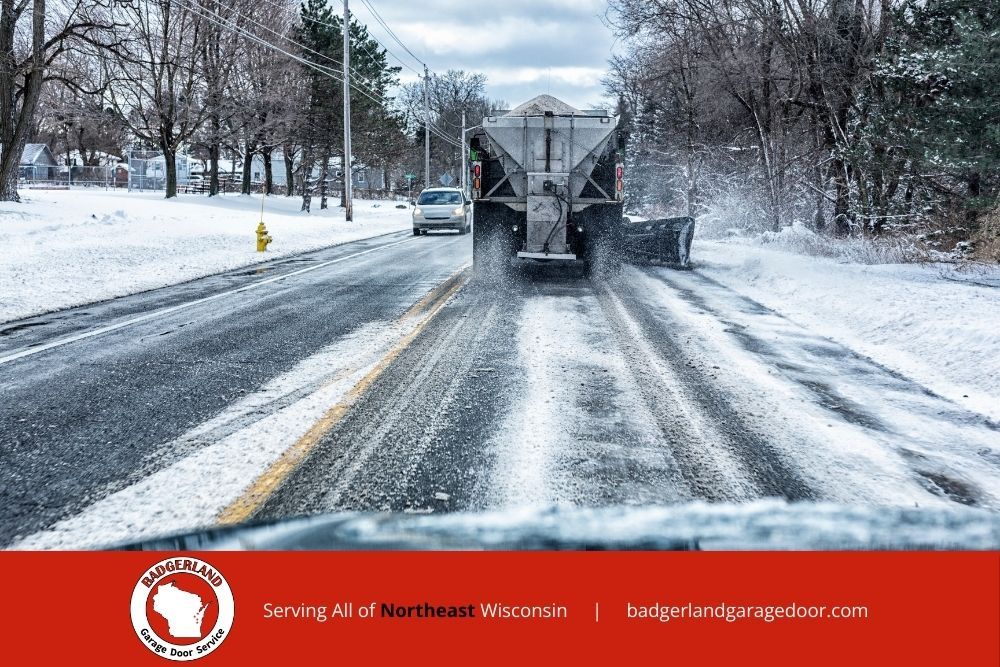
Road salt tracked into garages accelerates corrosion on tracks, rollers, and cables. The damage may not be obvious until operation becomes noisy or uneven.
Damage from winter exposure often requires full garage door repair. Early detection makes a significant difference in preventing larger system failures.

Garage Door Panel Repair Signs Caused by Hidden Winter Stress
Garage door panels absorb direct exposure from wind, moisture, and temperature swings. Even insulated doors can develop subtle damage during harsh Wisconsin winters.
- Hairline Cracks in Panels: Small cracks can form as materials expand and contract repeatedly. These cracks may spread once warmer temperatures arrive.
- Warping or Bowing: Moisture trapped within panels can cause slight warping that becomes noticeable when the door moves unevenly.
- Fading and Surface Damage: UV exposure combined with ice and debris can degrade protective coatings, weakening long term durability.
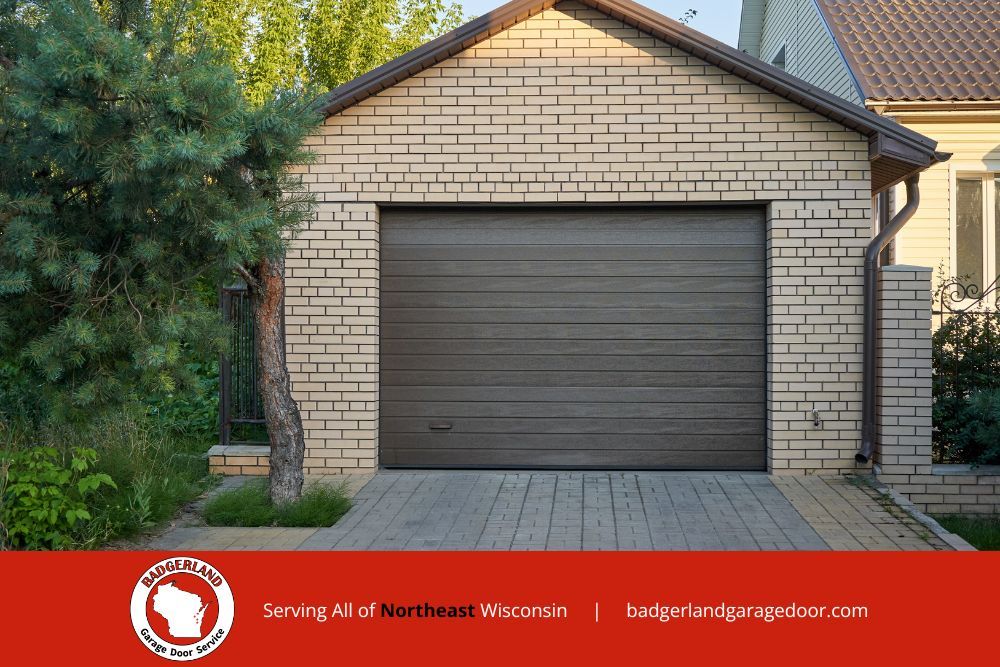
Cracks or warping may point to the need for garage door panel repair. If you notice visual changes in your door’s appearance this spring, consider scheduling service with professionals experienced in broken or damaged garage door panel repair in Green Bay and Appleton.
Hidden Garage Door Damage in Springs, Cables, and Rollers
While panels show visible signs, internal components often carry the most hidden winter damage.
Springs Under Cold Stress
Garage door springs lose flexibility in freezing temperatures. Even if they survive winter, weakened coils may snap once temperatures shift.
Cable Fraying and Corrosion
Moisture buildup can cause cables to rust or fray internally. The damage may not be noticeable until the door begins lifting unevenly.
Roller Wear and Track Friction
Cold weather increases friction along tracks. Rollers may flatten, crack, or lose smooth rotation.
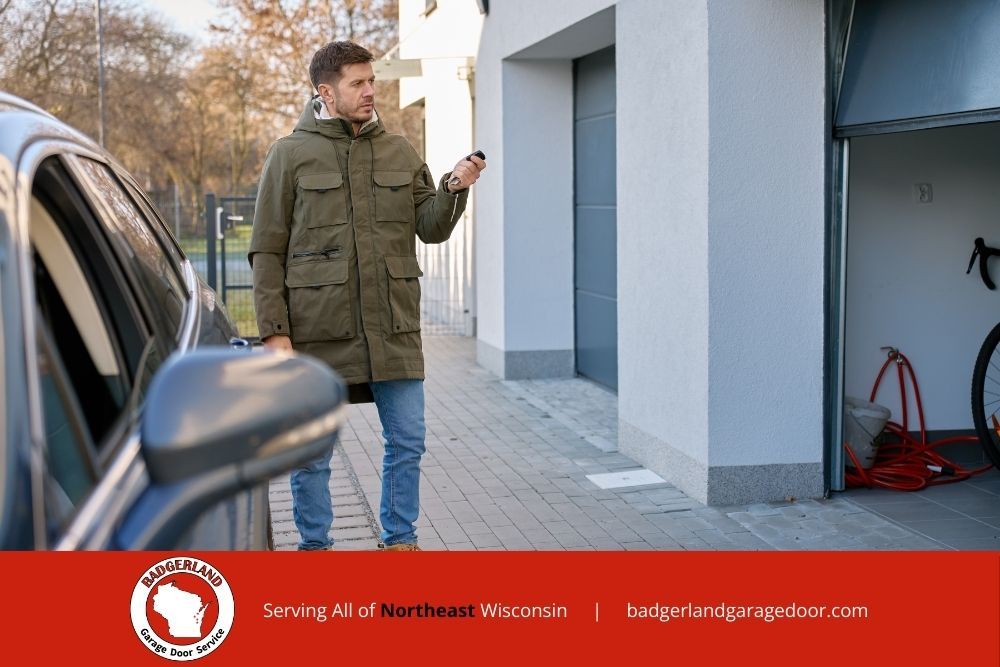
Seasonal problems are commonly uncovered during a garage door safety inspection. If you hear grinding or feel resistance when opening your door, it may be time for a professional evaluation.
Cold stress often reveals the need for services such as garage door roller repair or spring adjustments to restore safe operation.
Why a Garage Door Tune-Up Matters After Winter
Spring is the ideal time for preventive maintenance. A thorough inspection can uncover small issues before they grow into larger garage door repair projects.
- Balance Testing: Ensures that springs and cables distribute weight evenly.
- Lubrication of Moving Parts: Reduces friction caused by winter dryness and rust.
- Hardware Tightening: Addresses loose brackets and bolts that shifted during cold months.
- Track Realignment: Corrects subtle shifts caused by contraction and expansion.
Preventive checks are typically completed during a garage door tune-up. Scheduling a garage door tune-up in Green Bay and Appleton allows trained technicians to catch hidden garage door damage before it leads to emergency service calls.
When Hidden Garage Door Damage Requires Professional Garage Door Repair
Some issues go beyond maintenance and require direct repair work. Signs that spring inspection has uncovered a deeper issue include:
- The door hesitates or jerks during operation
- Unusual grinding or popping sounds
- Visible cable fraying or loose hardware
- Panels separating from hinges
- The opener is straining more than usual
Poor balance or weakened components can affect your entire system. For homeowners in Appleton, Green Bay, and surrounding communities, addressing these issues early helps maintain long-term reliability. If inspection reveals significant wear, you may need professional local garage door repair to restore full function.
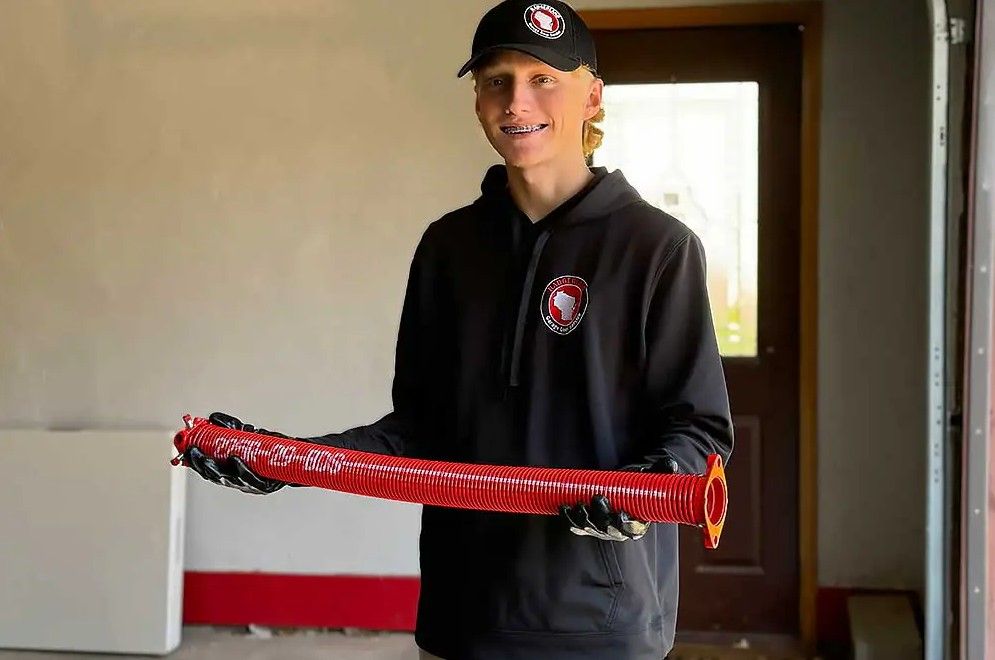
Many homeowners also discover that worn springs uncovered in the spring season require attention through garage door spring repair.
Spring Garage Door Repair in Green Bay and Appleton
Once winter ends, scheduling an inspection provides peace of mind as the warmer months approach. Hidden garage door damage can remain unnoticed until a sudden failure disrupts your day.
If you live in Green Bay or Appleton and notice uneven movement, increased noise, or cosmetic damage, it may be time to schedule service. Many homeowners choose to have their garage door inspected by a trusted local professional before small problems turn into expensive repairs.
Badgerland Garage Door Service works with homeowners throughout Northeast Wisconsin, providing dependable inspections, garage door panel repair, and full garage door repair when needed.
Winter damage is not always obvious until it becomes a problem. Schedule a spring garage door inspection now to catch hidden issues early and avoid emergency repairs later.
Frequently Asked Questions About Hidden Garage Door Damage
Look for uneven movement, new noises, visible rust, or cracks in panels. Even subtle signs can indicate deeper internal wear.
Yes. Many problems remain hidden until failure occurs. A spring inspection helps catch small issues before they escalate.
Yes. Strain from weakened springs or misalignment can cause openers to work harder, reducing lifespan.
At least once per year, ideally in early spring after winter conditions subside.
Minor cracks or surface damage can often be repaired. Severe structural issues may require panel replacement to restore safety and appearance.
Related Posts

See What Our Customers Have to Say About Our Service
See What Our Customers Have to Say About Our Service
REQUEST A CALLBACK
Need Repair Service or New Door?
Complete the form, and one of our team members will promptly reach out to schedule your appointment.
