


Table of Contents
Why Wisconsin Winters Lead to a Stubborn, Frozen Garage Door
Heavy snowfalls, fluctuating temperatures, and persistent ice can leave homeowners frustrated when confronting a frozen garage door that simply refuses to budge. During a bitter Wisconsin morning, even a small amount of moisture can freeze your door to the ground, leading to strains on hardware and possible long-term damage. For homeowners who rely on their garage door daily, this can create a stressful and unexpected disruption. Badgerland Garage Door Service understands how common this issue is in our region and how to help you handle it safely.
When the garage door gets stuck, many homeowners try to muscle the door open, which can cause more harm than good. Lifting or forcing it before the ice breaks naturally can damage cables, weather seals, and even the opener. A gentle, patient approach is always best, especially when conditions in places like Green Bay, Appleton, Neenah, or De Pere bring extreme cold snaps. For homeowners looking to stay proactive, reviewing your system during seasonal tune ups is an excellent way to reduce risk. You can start by checking trusted maintenance resources such as the local garage door repair page to understand available support options.
If your garage door won’t open because of ice, the most important step is knowing how to thaw it correctly and safely. Proper winter care can prevent long-term issues that tend to worsen when temperatures fluctuate quickly. In regions that experience severe winter cycles, addressing small issues early helps keep your system working smoothly throughout the season.
Understanding Why Garage Doors Freeze in Harsh Winter Conditions
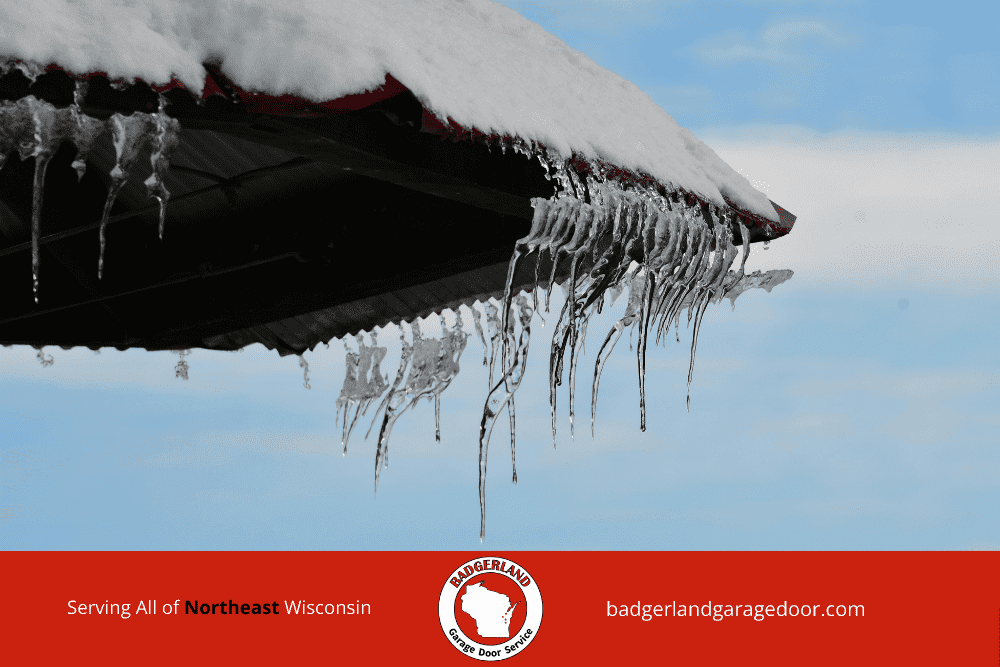
Ice forms quickly under Wisconsin winter conditions, especially when melting snow drips down and pools at the bottom seal. This trapped moisture then solidifies overnight, gluing the garage door to the ground. Cars warming up inside a garage can add humidity that escapes under the door, causing more frost and ice to accumulate outdoors. Over time, the weight and pressure of ice can make your frozen garage door even harder to release safely.
The pressure of frozen seals also overloads the opener system, which is not designed to break ice. Attempting to operate your opener repeatedly can burn out the motor or strip gears. This is especially risky for homeowners dealing with a garage door stuck in tough Green Bay conditions. Weather fluctuations cause rapid cycles of freezing and melting, which can wear down the bottom seal, tracks, and hinges.
If you suspect more than ice is affecting your system, scheduling a seasonal tune up can help. Technicians can identify worn weather seals or weak components before more trouble develops. Homeowners can explore tune up details through the garage door safety inspection page. Additional information on maintaining smooth winter operation can also be found through reputable sources like the International Door Association, which offers general safety principles helpful for colder climates.
Regular maintenance is key to preventing a garage door from opening. That includes cleaning sensors, lubricating moving parts, and keeping areas around the door free of slush buildup. Homeowners in Green Bay, Appleton, Neenah, and De Pere often experience freezing temperatures well below zero, making proactive steps essential for long-term reliability.
Ways to Gently Break the Ice and Release a Frozen Door
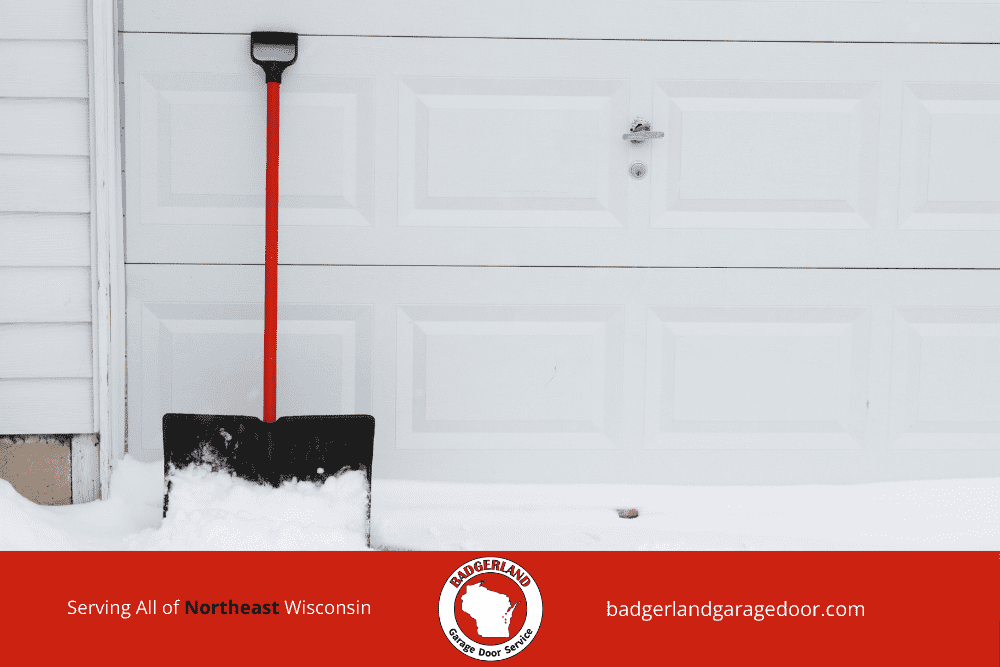
Here are safe techniques to help release winter ice without damaging your system.
- Warm water can soften surface ice, but pouring too much too quickly may create more buildup, so use it sparingly while protecting the garage door seal.
- Applying gentle heat with a hair dryer can thaw ice without stressing hardware, especially when the garage door won’t open after an overnight freeze.
- Using a plastic scraper helps loosen thin layers of ice without scraping metal tracks, which reduces the risk of worsening a garage door stuck problem.
- Rock salt or pet-safe ice melt placed near, not directly on, the seal can weaken surrounding ice enough to release the door.
- After freeing the door, applying a silicone-based lubricant helps prevent the frozen garage door from re-sealing during the next temperature drop.
Preventative Steps to Avoid Future Winter Freezing
These preventative measures help keep Wisconsin homeowners ahead of severe winter weather.
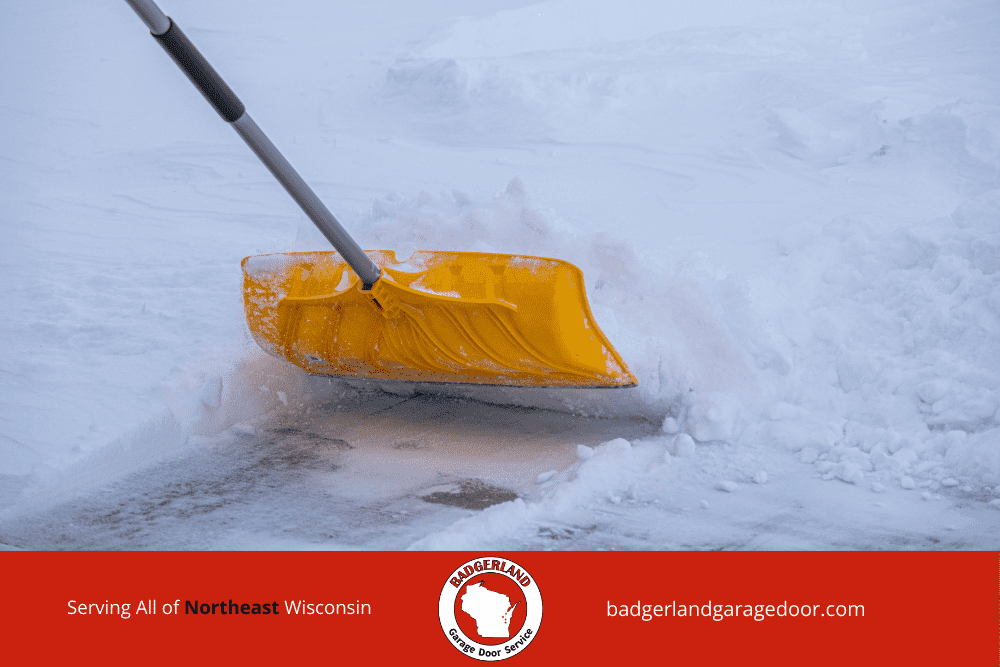
- Clearing snow promptly from the base of the door keeps moisture from freezing onto the garage door and won’t open the threshold.
- Adding weather stripping reduces cold air infiltration and prevents a garage door stuck scenario caused by trapped moisture.
- Scheduling winter tune ups through the garage door tune up service ensures technicians address weak spots that contribute to ice buildup.
- Improving garage ventilation helps reduce condensation that leads to a frozen garage door in Green Bay and surrounding areas.
Using a garage door seal protector during harsh storms offers extra defense against ice bonding to the surface.
When Ice Isn’t the Only Problem: Hidden Issues to Check
Sometimes what appears to be ice masking the door may actually be a deeper mechanical issue. Including the following:
- Frayed cables can mimic a garage door stuck condition, and homeowners can review repair options through the garage door cable repair page.
- A weakened bottom seal can cause chronic freezing and should be addressed early to prevent a garage door from opening in winter.
- Track misalignment may worsen after cold snaps, turning a simple frozen garage door issue into a larger mechanical failure.
- Sensors blocked by frost can stop the opener from moving, signaling a problem that goes beyond surface ice.
- Springs under tension may stiffen in extreme cold, making it dangerous to force a garage door stuck in ice Green Bay conditions.
FAQ
This issue occurs because rapid temperature shifts create cycles of melting and refreezing that trap moisture under your weather seal. When cold winds hit areas like Green Bay, Appleton, Neenah, and De Pere, the moisture hardens quickly and bonds the door to the ground. A garage door stuck to the surface is common in high humidity followed by freezing temperatures. Regular winter garage door maintenance helps reduce these cycles significantly. Addressing worn seals early also prevents ice formation that leads to a garage door being unable to open.
Pouring extremely hot water is not recommended because it can damage the seal and create thicker ice when temperatures fall again. Using warm water sparingly is safer, but care must be taken to avoid worsening the frozen garage door issue. Homeowners in colder regions like Green Bay often find that low, steady heat works better than sudden temperature shocks. Warm towels or hair dryers are gentler options. Avoiding excessive moisture is one of the best ways to prevent the garage door stuck condition from repeating.
A combination of gentle heat and a plastic scraper usually works well, as it loosens ice while protecting the weather stripping. Avoid metal tools because they can cut or weaken the seal, especially during winter garage door maintenance efforts. Adding a silicone lubricant afterward reduces repeat freezing in Green Bay or Appleton conditions. Be patient and work from one side to the other to prevent uneven pressure. This approach helps avoid forcing the system, which often leads to a malfunction later on.
If the door still will not lift, there may be an underlying mechanical issue. Homeowners in Neenah or De Pere may experience extra strain on their openers due to severe winter lows. Addressing these issues promptly prevents long-term damage and restores safe operation.
Keeping snow cleared, improving insulation, and lubricating the seal are essential steps. Many Wisconsin homeowners also benefit from periodic winter garage door maintenance appointments to catch early signs of wear. In places like Green Bay and Appleton, preventive care goes a long way because weather patterns shift quickly. Using a seal protector during storms and ensuring proper drainage help reduce the chance of repeated ice bonding. These strategies decrease your risk of facing another frozen garage door problem when temperatures drop.
What Customers Say Before You Call
Many homeowners throughout Wisconsin report struggling with unexpected winter freezing, but they express relief once learning simple, safe techniques that prevent further damage. Reviewers frequently mention how helpful it is to understand the difference between a surface freeze and a mechanical failure. You can explore real customer experiences through the Badgerland Garage Door Service Google reviews.
Get Help When Your Frozen Door Needs Professional Attention
If your door remains stuck or you prefer professional assistance, Badgerland Garage Door Service is ready to help restore safe winter operation. Homeowners can request an appointment or ask questions anytime by using the contact page or calling Call us at (920) 717-1657.
Related Posts
See What Our Customers Have to Say About Our Service
See What Our Customers Have to Say About Our Service
REQUEST A CALLBACK
Need Repair Service or New Door?
Complete the form, and one of our team members will promptly reach out to schedule your appointment.
