

Table of Contents
Common Garage Door Noises Homeowners Should Not Ignore
Garage door noises are easy to overlook, especially when everything still seems to be working. But those sounds are often early warning signs of wear, misalignment, or failing components. In Green Bay and Appleton, seasonal temperature changes make these issues more noticeable, especially in spring when parts begin to expand and shift after winter.
A noisy garage door is rarely just a minor annoyance. It usually points to friction, imbalance, or stress somewhere in the system. Addressing these sounds early can prevent more serious damage and costly repairs down the road.
Many homeowners looking into garage door repair in Green Bay notice new noises as temperatures warm. Paying attention to what your door sounds like is one of the easiest ways to stay ahead of problems.
Broken Garage Door Noises and What Each Sound Means
Not all garage door noises are the same. Each type of sound typically points to a specific issue within the system.
Grinding or Scraping Sounds
These noises often indicate metal-on-metal contact. This can happen when rollers wear down or tracks become misaligned. Grinding is a strong sign that components are under stress and should be inspected quickly.
Squeaking or High-Pitched Noise
A squeaky door is usually caused by a lack of lubrication. Hinges, rollers, and springs need proper lubrication to move smoothly. Without it, friction increases and parts wear faster.
Rattling or Vibrating Sounds
Loose hardware is the most common cause of rattling. Over time, bolts and brackets can loosen due to daily use and vibration. If ignored, this can lead to alignment issues.
Banging or Popping Noises
These sounds are more serious and often point to spring tension problems. A failing spring can create sudden loud noises and should be handled by a professional.
Unusual sounds often indicate issues that can be addressed through noisy garage door repair.
Garage Door Inspection Tips to Identify Noise Issues Early
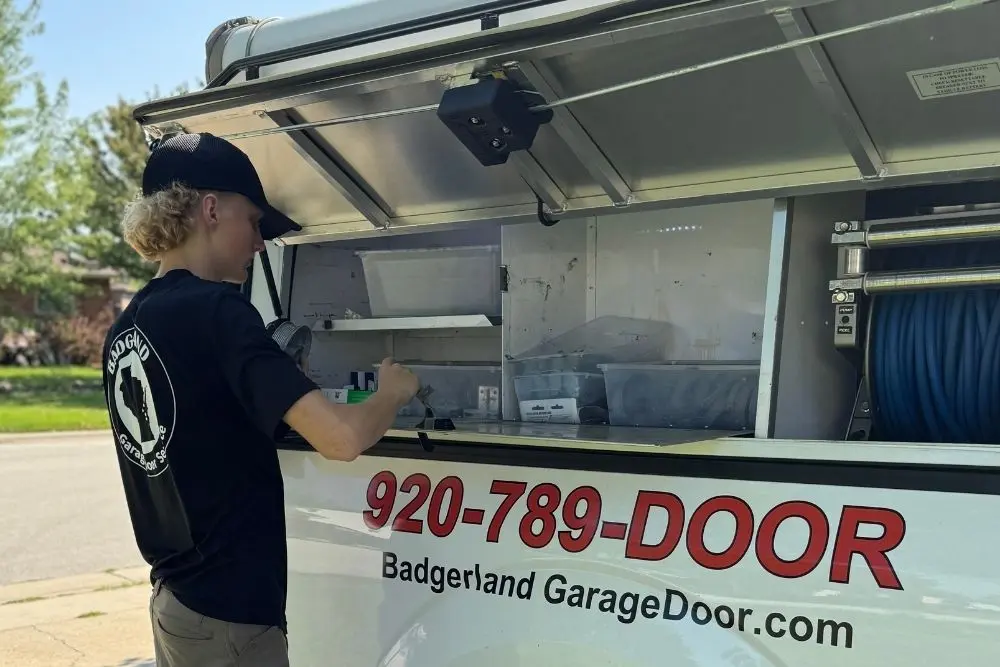
Regular inspection helps catch problems before they become major repairs. You do not need to be an expert to notice early warning signs.
- Check for loose hardware: Look at brackets, bolts, and hinges. If anything appears loose or out of place, it can cause vibration and noise over time.
- Observe door movement: A door that shakes, jerks, or moves unevenly often signals alignment or balance issues that create noise.
- Listen during operation: Pay attention to when the noise occurs. Opening versus closing sounds can help identify the source.
- Inspect rollers and tracks: Worn rollers or dirty tracks are a common cause of grinding or squeaking sounds.
- Look for worn components: Springs, cables, and hinges that show wear should be addressed before they fail completely.
Seasonal service during a garage door tune-up helps prevent repeat issues.
Noisy Garage Door Repair and Common Component Failures
Most garage door noises can be traced back to a few key components. Understanding these parts helps explain why the noise is happening.
- Rollers: These guide the door along the tracks. When worn, they produce a grinding or rattling sound. Worn rollers are a common cause of noise and may require garage door roller repair.
- Springs: Springs carry the weight of the door. When they begin to fail, they create popping or banging sounds and can become dangerous.
- Cables: Cables work with springs to lift the door. Fraying or tightening can cause uneven movement and noise.
- Tracks: Bent or misaligned tracks lead to scraping sounds and poor movement.
- Opener system: Motors, chains, or belts can wear down and create humming or grinding noises.
Noise complaints frequently overlap with broader garage door repair needs.
Why Spring Is the Most Common Time for Garage Door Noises
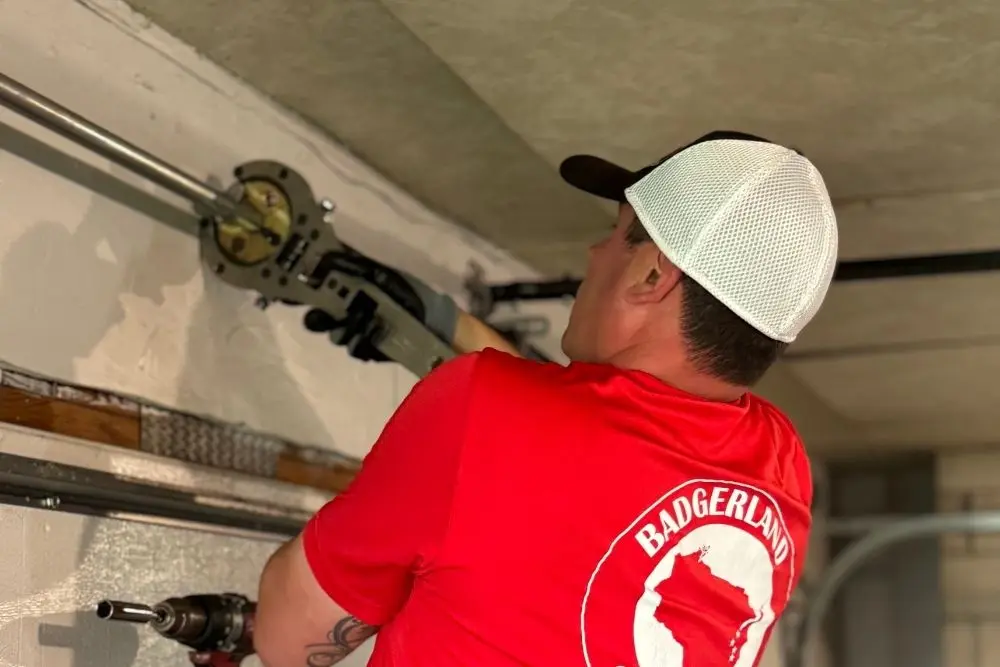
Spring is when many homeowners first notice garage door issues. After months of cold weather, parts begin to shift as temperatures rise.
In Northeast Wisconsin, winter causes materials to contract. Springs tighten, cables stiffen, and lubrication thickens. When warmer weather arrives, these components expand again, often revealing hidden wear or damage.
This transition period puts stress on the system and leads to new sounds that were not present during colder months. That is why spring is the ideal time to inspect your garage door and address any changes in sound or performance.
Preventing Garage Door Noises with Routine Maintenance
Preventing noise is often easier and more affordable than fixing it later. Routine maintenance keeps all components working smoothly.
- Lubricate moving parts regularly: Hinges, rollers, and springs need proper lubrication to reduce friction and extend lifespan.
- Tighten hardware periodically: Small vibrations from daily use can loosen bolts and brackets over time.
- Clean and align tracks: Dirt and debris can cause rollers to drag and create noise.
- Test door balance: An unbalanced door puts extra strain on the opener and creates uneven movement.
- Schedule professional tune-ups: A trained technician can identify issues that are not visible to homeowners.
Many homeowners also explore garage door installation when repeated repairs become more frequent.
When to Call for Garage Door Repair in Green Bay or Appleton
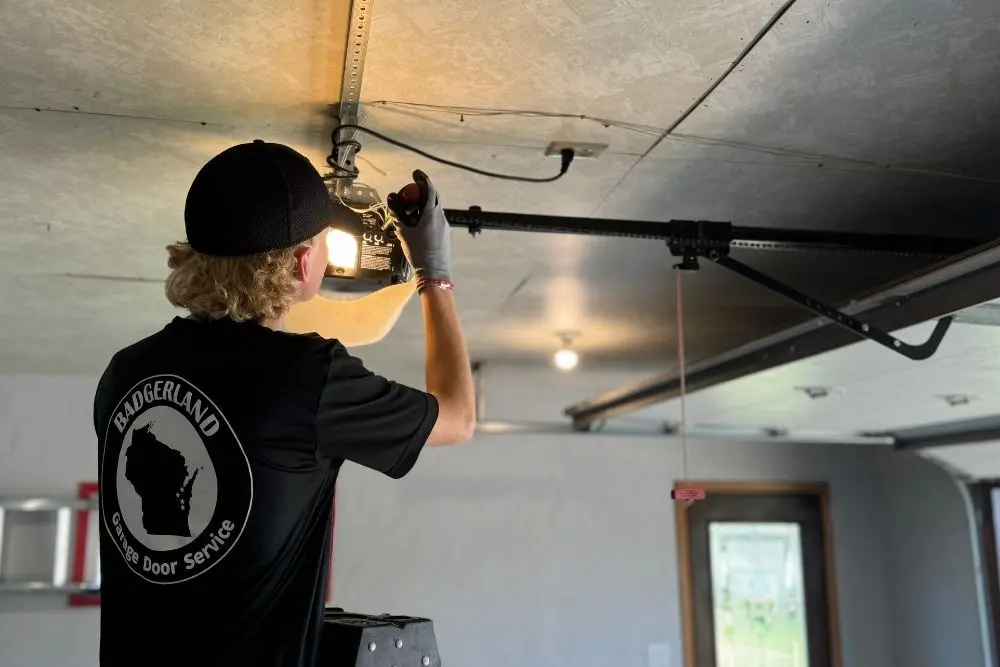
Some noises are minor, but others signal problems that should not be ignored. If your garage door is getting louder, moving unevenly, or making sudden new sounds, it is time to have it inspected.
New grinding, squeaking, or rattling noises are early warning signs. If your garage door sounds different this spring, schedule a service visit to prevent further wear.
Badgerland Garage Door Service provides reliable solutions for homeowners across Green Bay and Appleton. Whether it is a simple adjustment or a more involved repair, addressing the issue early helps protect your system and extend its life.
Contact the team today through the Badgerland Garage Door Service website or schedule service directly on the contact page.
FAQs
Squeaking is the most common and is usually caused by a lack of lubrication. It is one of the easiest issues to fix, but should not be ignored.
It can be. Certain sounds, especially banging or popping, may indicate a failing spring or structural issue that could become unsafe.
Most homeowners should schedule maintenance once a year. In areas like Green Bay and Appleton, seasonal changes make annual inspections especially important.
Some minor issues, like lubrication, can be handled by homeowners. However, problems involving springs, cables, or alignment should be handled by professionals.
Temperature changes cause metal parts to expand and shift after winter, which can reveal wear or alignment issues that were not noticeable before.
Related Posts
See What Our Customers Have to Say About Our Service
See What Our Customers Have to Say About Our Service
REQUEST A CALLBACK
Need Repair Service or New Door?
Complete the form, and one of our team members will promptly reach out to schedule your appointment.